A perspective on Head of Product Design at
A hands-on, executive-level, design leader.
Cover letter
Dear Heidi team,
With great excitement, I am applying for the Head of Product Design role. I believe Heidi is working on one of the most important design problems of this era: making AI trustworthy inside the most human and high-stakes moments of care. From my perspective, Heidi is changing the atomic units of healthcare work.
A consultation becomes structured knowledge. A clinician's attention becomes something that can be protected, redirected, and returned to the person in front of them.
The poetry here is that this is not a small “product” challenge. It is a new material for design and a new material for healthcare. I believe I'm a compelling candidate for this role.
Across Autodesk, Deloitte, Salesforce, and my own work building The Outlook, I achieved results that unified design and the way teams delivered to customers in ways that had otherwise seemed unachievable. I am also highly technical and AI-forward: I have built my own enterprise-grade app ecosystem, with deep integration into third-party systems, agentic workflows, and more. My whole career has been pulling me toward AI: designer, developer, entrepreneur.
But this role is also personal.
I have lived a larger-than-normal portion of my life inside the healthcare system. I was given a pacemaker at 8, and three replacements since. I have been through clinical treatment for bipolar and depression since I was 16. Rather ironically, this year at 40, it turns out it isn't depression nor bipolar, but untreated inattentive ADHD, while cardiology and genetic testing also revealed that I don't have Long QT; the pacemaker was never necessary.
Luckily, I'm an optimist with a great sense of humour.
This context, this vulnerability that I share, is to demonstrate that I know what it feels like when the system sees you as a patient record before it sees you as a person. I also know what it feels like when a clinician looks through the record and sees the human being inside it.
That is why what Heidi is attempting to achieve matters to me.
If AI is going to work with clinical language, patient history, evidence, risk, and compliance, then design has to protect the humanity inside those materials. It has to help clinicians see more clearly, not reduce people to cleaner records, and make the clinician feel less frustrated, overwhelmed, and helpless.
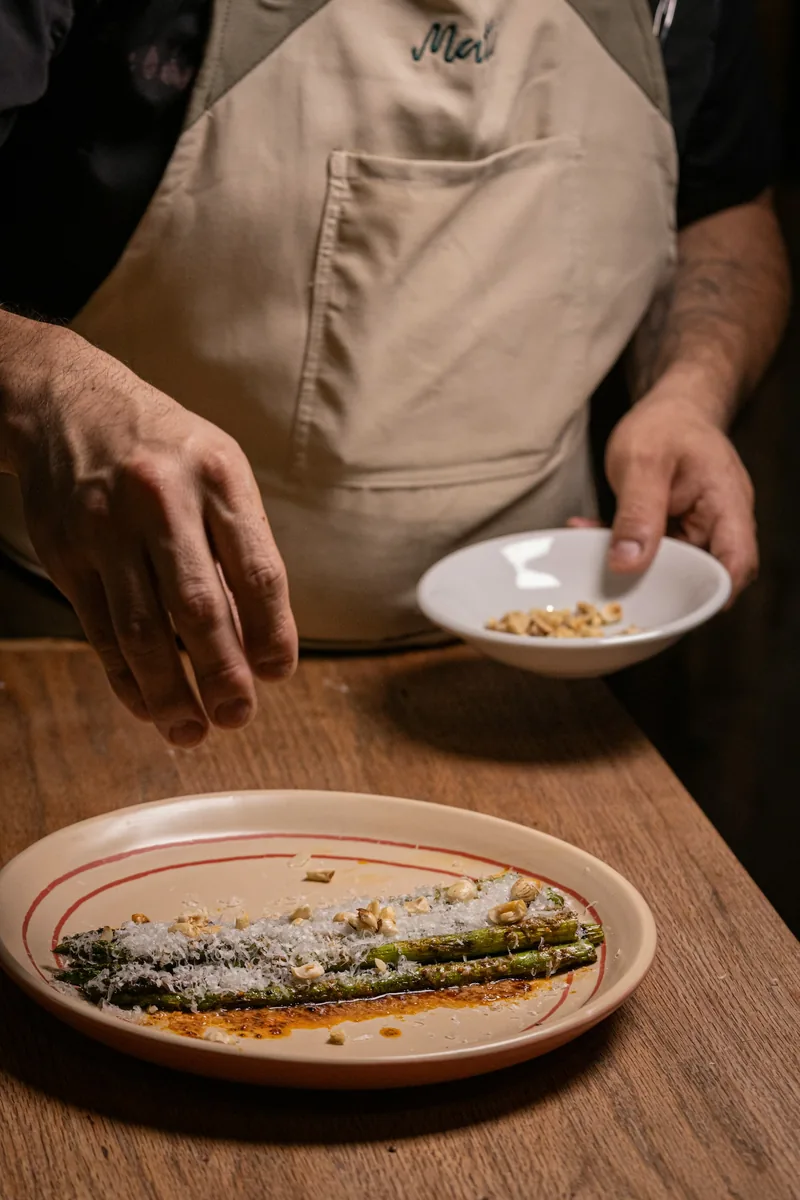
This is the kind of design leadership I care most about: hands-on, strategic, precise, systems-minded, close to the work. The best design leaders stay in the kitchen and taste the work before it goes out. They help teams understand the difference between something that functions and something that feels inevitable and compelling.
At Heidi's stage, design has an opportunity to become the operating system for trust, creating scale and consistency without flattening the product, helping many teams build quickly without fragmenting the experience, and turning leadership vision into a product reality clinicians can feel.
I can't wait to meet you all.

Grant Show
The role
My understanding of Heidi and this role

The Head of Product Design role is unusually specific. It is not asking for a design manager who can keep the function running.
It is asking for someone who can set the craft bar, evolve the design system as product infrastructure, work inside complex clinical workflows, build with AI, and help the product feel like the work of one coherent hand.
I see Heidi entering a moment where design needs to become infrastructure for trust, quality, and scale.
See what I read in the role →My perspective
Designing at the atomic level of care

Heidi is not simply designing another AI product. It is changing the atomic units of healthcare work: the note, the handoff, the evidence trail, the clinician's attention, and the patient context.
That changes the role of design. The material is no longer only screens, flows, and components. It is clinical language, patient data, uncertainty, compliance, trust, and time.
My perspective is that Heidi's next design challenge is to make those new materials feel safe, coherent, and human.
Read my perspective →AI practice
A practice two decades in the making

Heidi asks for a design leader who builds with AI tools, not someone who only talks about them.
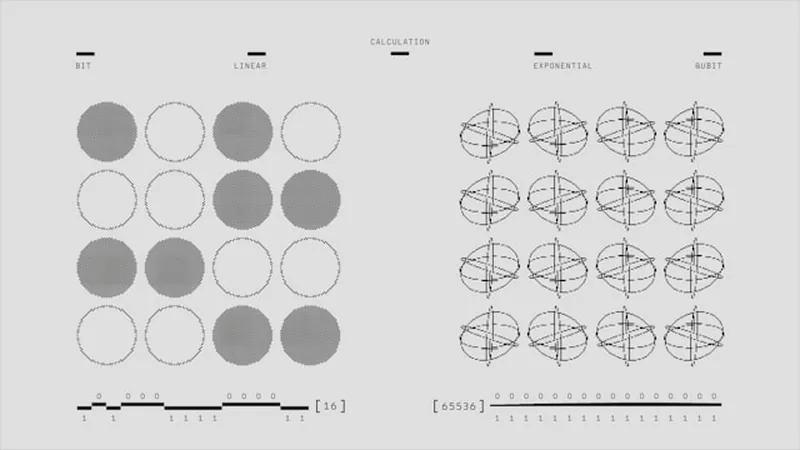
Two decades across design, engineering, and founding companies taught me how things actually get built, and how to spot where a new tool belongs. AI is that tool now: the medium I work in, not a subject I talk about. The career was the apprenticeship.
Explore my AI practice →What I'll bring
Mastery of craft, technical excellence, & AI-forward
01 Craft leadership
Heidi needs
A design leader who still designs.
I bring
Senior design judgment without distance from the work: product vision, flows, systems, critique, writing, and the details that make software feel inevitable.
02 Building with AI
Heidi needs
Someone who builds with AI, not just talks about it.
I bring
Advanced AI usage across strategy, writing, prototyping, coding, critique, and workflow acceleration.
03 Systems for scale
Heidi needs
A design system that behaves like product infrastructure.
I bring
Experience building the frameworks, principles, rituals, and operating models that help many teams create one coherent experience.
04 Complexity into clarity
Heidi needs
Design leadership inside complex clinical workflows.
I bring
A career spent making complex systems legible across enterprise products, service ecosystems, transformation programs, and high-stakes stakeholder environments.
05 Team leadership
Heidi needs
Someone to hire, develop, and raise the standard of designers embedded across pods.
I bring
Career frameworks, strengths-based coaching, high-performance team practices, and a leadership style built on clarity, care, and ambition.
06 Narrative and network
Heidi needs
Product and brand coherence across every surface.
I bring
Strategic narrative, executive storytelling, Design Outlook, and a deep network across the design community to help Heidi attract talent and shape the conversation.


Heidi design review
A principled, heuristic deep dive into Heidi
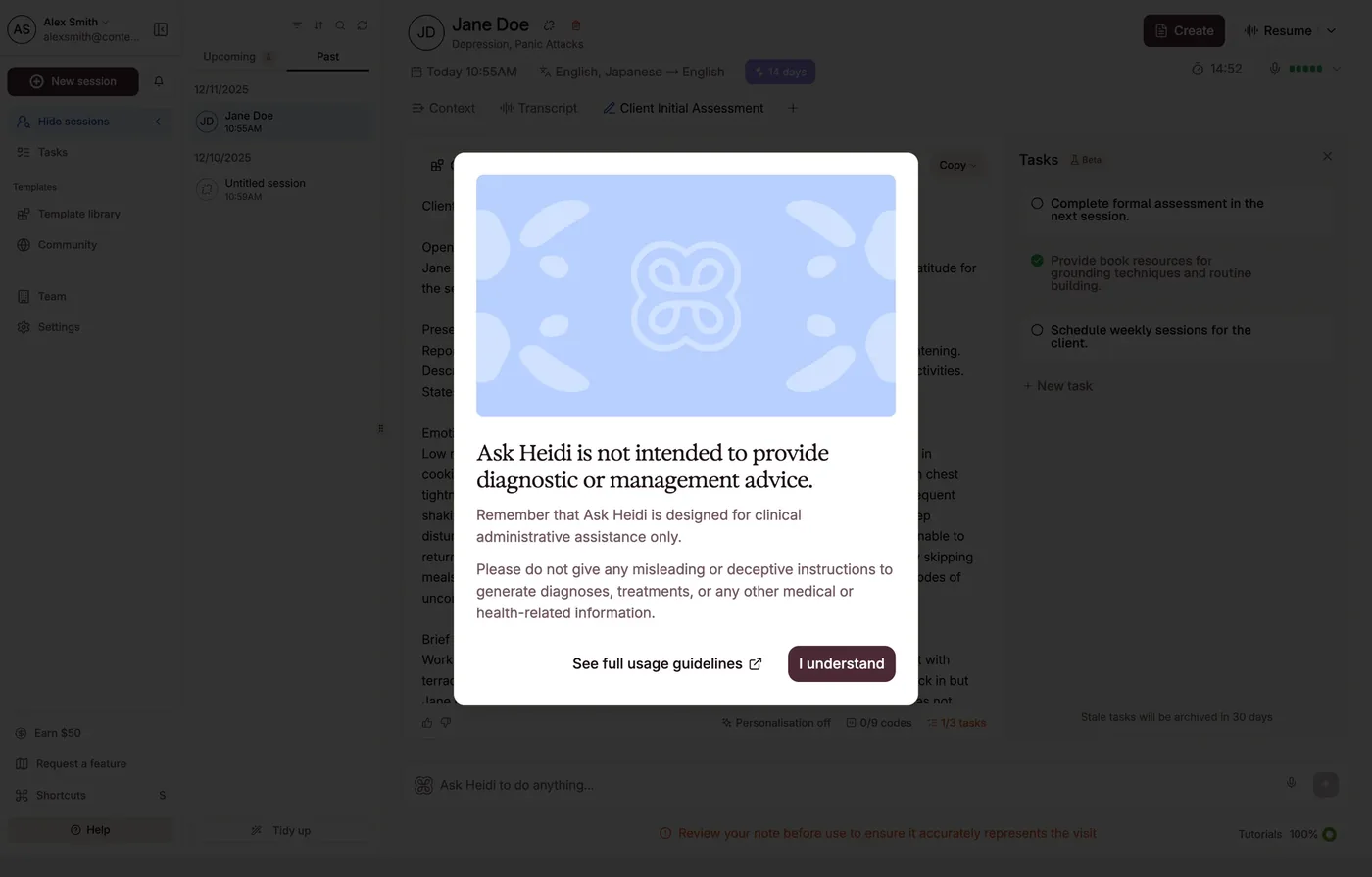
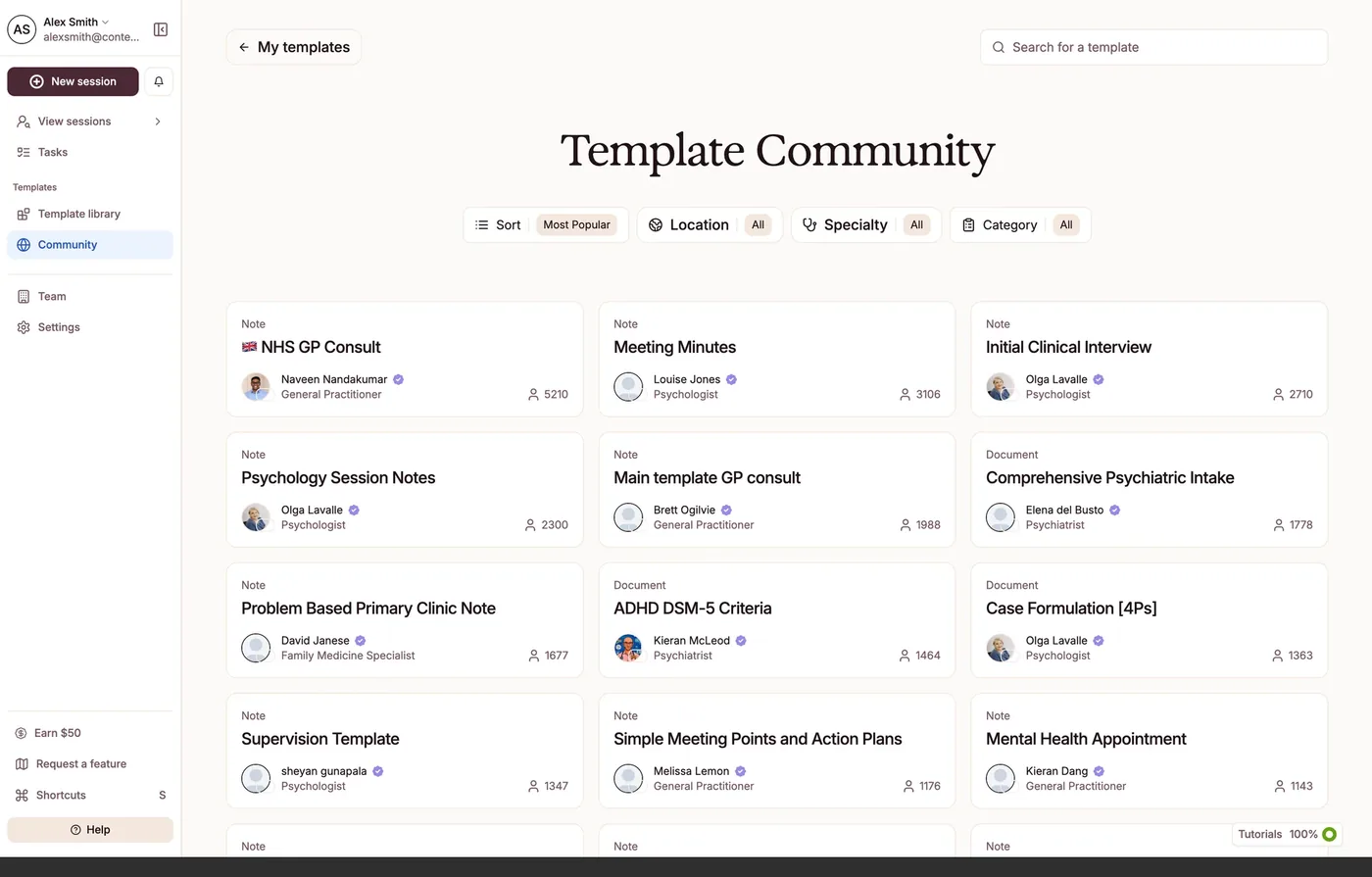
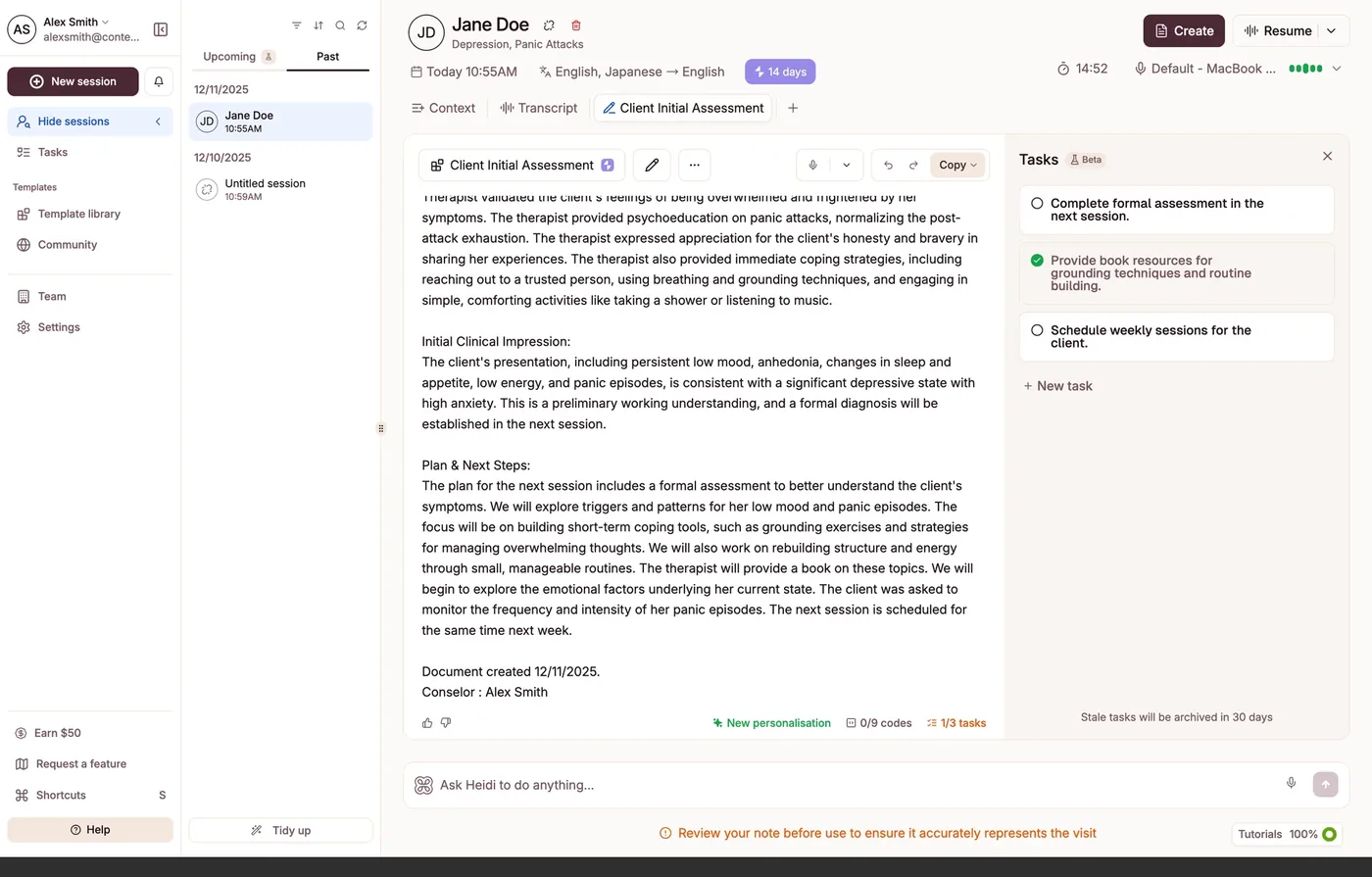
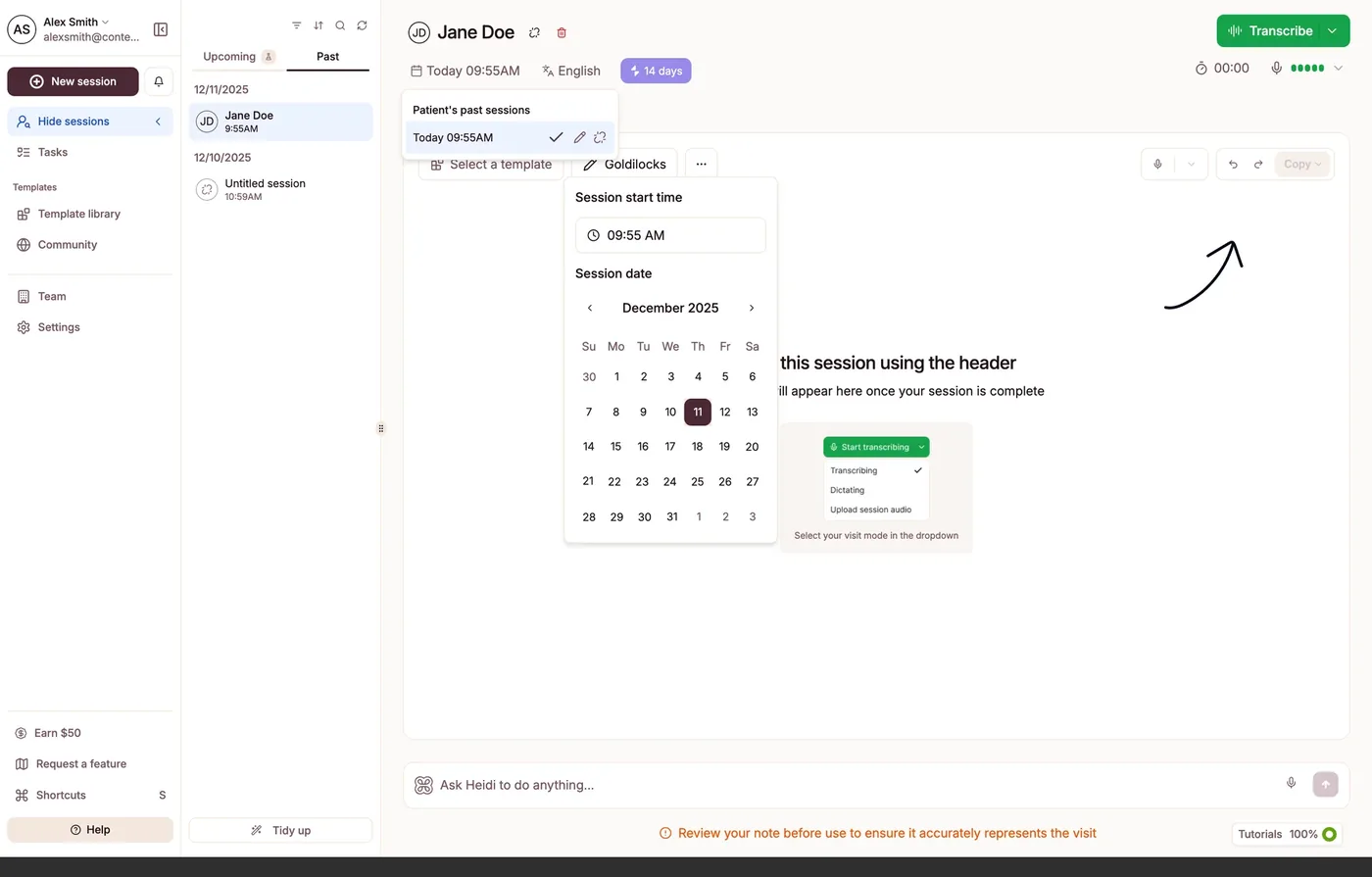
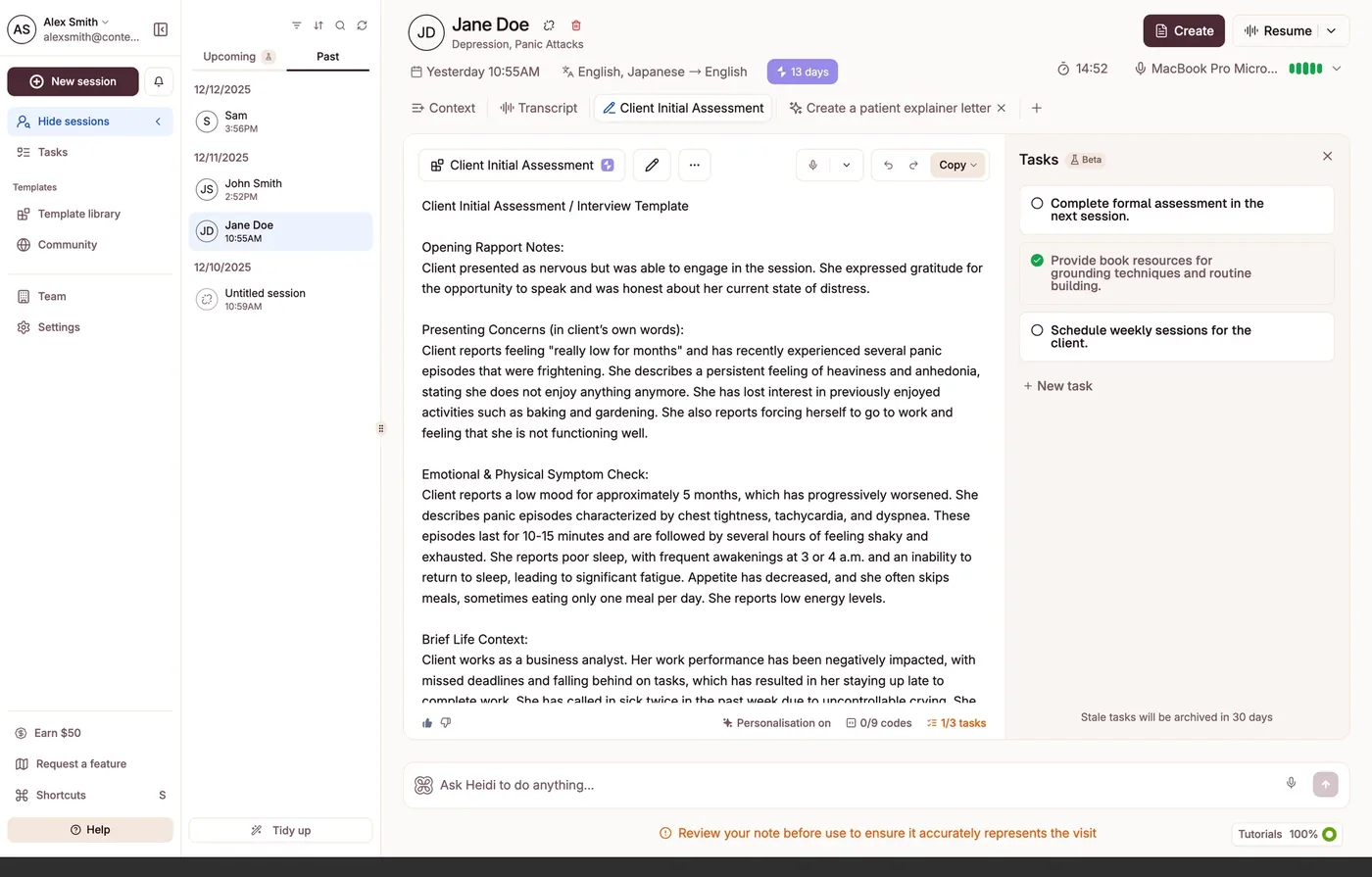
To understand Heidi properly, I reviewed 85 flows and 308 screens from the product.
I looked for what is already working, where trust and consistency are strongest, and where the experience starts to fragment as the product scales.
The review is not intended as criticism from the outside. It is a way of showing how I think, how I notice, and how I would approach quality, coherence, and trust inside the product.
Explore the design review →